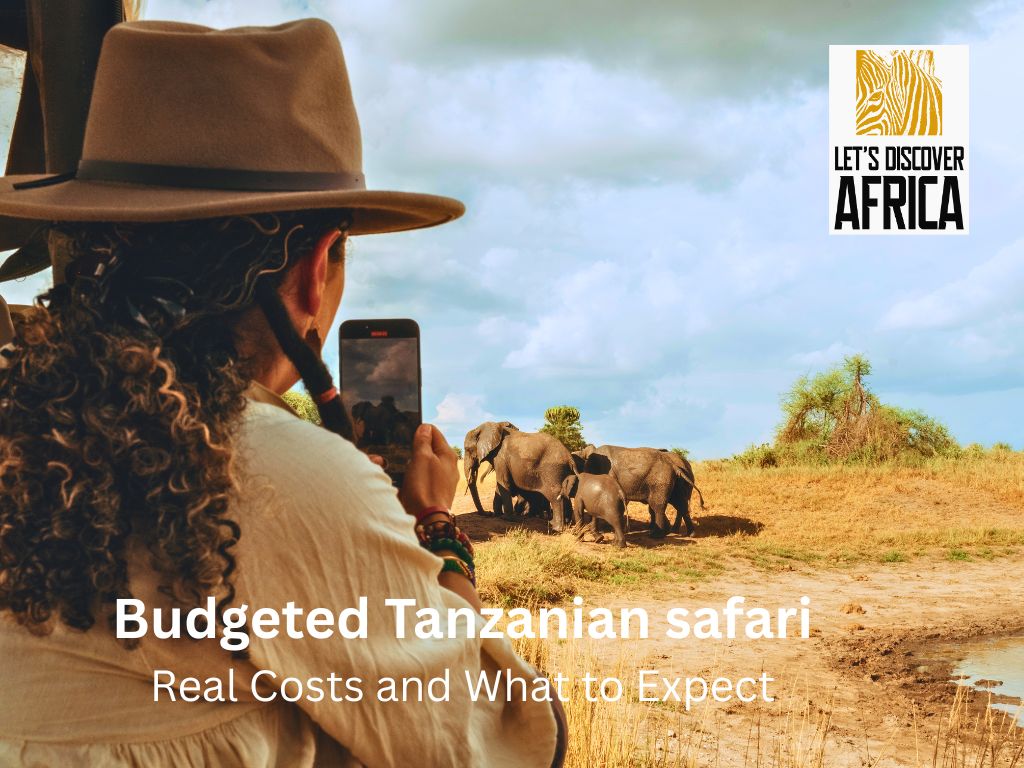
Tanzania has a reputation for being one of Africa’s most expensive safari destinations, and that reputation keeps a lot of travelers from ever booking the trip. The assumption is that the Serengeti, Ngorongoro Crater, and the Northern Circuit are reserved for travelers dropping $1,000 a day on private tented camps with butler service. That assumption is wrong. Genuine, wildlife-rich budget safari Tanzania experiences exist at every price point, you can encounter elephant herds, lion prides, and the Great Migration without remortgaging anything.
What separates a frustrating budget safari from a genuinely great one isn’t how much you spend. It’s whether you understand the real cost structure going in. Park fees, camp styles, guide quality, and seasonal pricing all play a role that no single “all-inclusive” quote can fully reveal. That’s why operators like Let’s Discover Africa build itineraries across every budget tier. Owning no lodges or camps and earning no accommodation commission, they base every recommendation on your priorities, not their margin.
This guide covers five things that matter most for budget planning: what a budget safari Tanzania trip actually costs per day, the real difference between safari styles, which parks give you the most wildlife per dollar, how seasonality affects your price, and sample itineraries for three, five, and seven days. Understanding these five factors together is what prevents sticker shock and makes the difference between a trip that feels like a compromise and one that doesn’t.
Budget safari Tanzania: what you actually pay per day
Shared camping: the most affordable Tanzania safari option
Shared camping safaris run roughly 0 to 0 per person per day in 2026. That figure typically bundles a 4×4 vehicle, a driver-guide, all meals, park fees, and a spot at a public TANAPA campsite. What it doesn’t include: international flights, gratuities for your guide and cook, and alcohol. These exclusions are standard across the industry, so factor them into your planning from the start.
Budget lodge safaris and what pushes the price up
Budget lodge options land between $250 and $400 per person per day. The main cost drivers are private en-suite facilities, fixed-structure camps with electricity, and properties located inside park boundaries rather than just outside the gate. This range often overlaps with private budget safaris, and the difference usually comes down to group size and how flexible you need your itinerary to be. Smaller groups and private departures cost more but give you control over timing and pace.
Park fees and why they matter in your budget calculation
Park fees are mandatory, non-negotiable, and compound fast across a multi-day trip. In 2026, Serengeti non-resident adult entry sits at approximately $83 per day in peak season and $71 in low season. Tarangire and Lake Manyara run around $59 per adult in peak season and $53 in low season. The Ngorongoro Conservation Area charges approximately $70.80 per person per 24 hours, plus a separate crater service fee of $295 per vehicle per descent. TANAPA parks also charge a vehicle fee on top of per-person entry. Add these up across a six-day itinerary and you’re looking at $350 to $500 in fees alone, before accommodation, food, or transport is factored in.
Shared camping vs. budget lodges: the on-the-ground difference
What shared camping actually looks like
TANAPA public campsites are shared, designated campgrounds inside national park boundaries. They’re not private bush camps. The setup includes numbered tent pitches, basic toilet and shower structures, a fire or cooking area, and parking. Your guide-cook team pitches the tents and prepares meals over a gas burner. This is the most authentic bush experience available at the lowest price point. It suits a specific type of traveler well, someone who doesn’t need reliable hot water or a proper bed, and who wants to fall asleep to the sounds of the bush without a generator running nearby.
Budget lodges: comfort trade-offs worth knowing
Budget lodges and permanent tented camps offer a bed, electricity (often solar-limited), hot water, and a dining area. The quality within this category varies significantly, so asking for specifics before booking matters. The practical trade-offs are fixed meal times, shared departures with other travelers you haven’t met, and locations that may require longer drives to prime game areas than a mid-range camp positioned deep inside a concession would.
How to decide which style fits your trip
This decision comes down to your priorities, not a value judgment about either option. Travelers who can sleep through unfamiliar sounds and don’t need a hot shower every night get the lowest daily rate and often more intimate game drive experiences with fewer vehicles around. Travelers who need reliable sleep and basic comfort to enjoy the days should budget for the lodge tier. Neither choice means settling for a poor safari. The wildlife doesn’t know which type of camp you’re sleeping in.
Which parks give you the most wildlife for your money
Tarangire and Lake Manyara: the underrated value picks
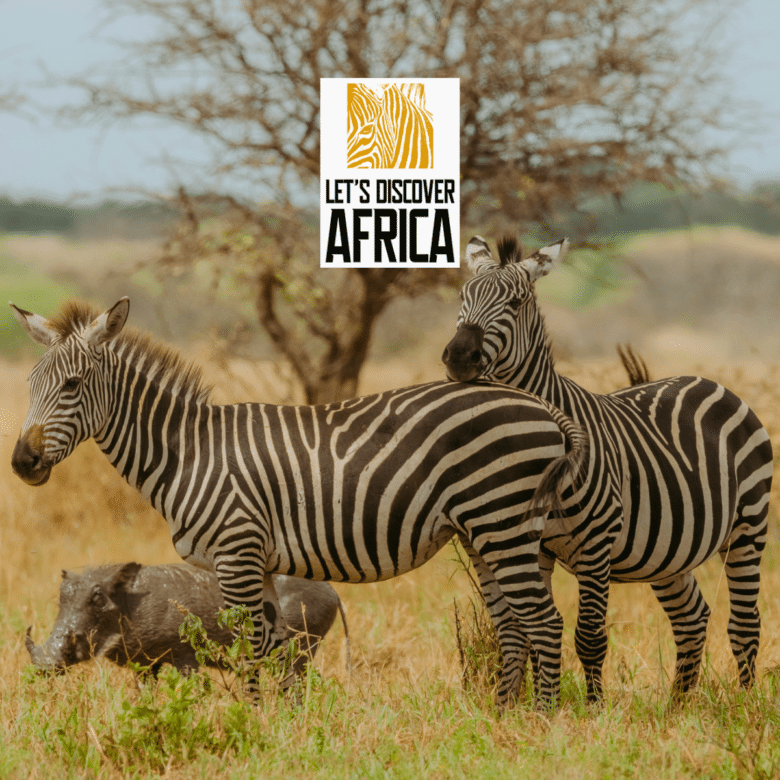
Tarangire National Park charges around $59 per adult per day and delivers consistently high elephant density, it ranks among the highest concentrations in East Africa, along with tree-climbing lions, massive baobab landscapes, and reliable sightings of buffalo, zebra, and wildebeest. The dry-season concentration of animals around the Tarangire River from June through October is genuinely spectacular. Lake Manyara offers flamingo shorelines, hippo pools, and exceptional birding at the same fee tier. Both parks are consistently overlooked in favor of the Serengeti, which keeps them less crowded and makes them some of the best value in affordable Tanzania safari travel.
Is a budget Serengeti safari worth the higher park fees?
The Serengeti costs roughly $12 to $24 more per adult per day than Tarangire, and that gap multiplies across a four or five-day stay. For most budget travelers, the Serengeti is still worth including for at least one or two nights. If your trip overlaps with the Great Migration corridor from July to October, or the southern calving season from January to March, skipping the Serengeti entirely would be a mistake. The practical approach is to pair one or two Serengeti nights with lower-fee parks to balance your total spend without missing the headline attraction.
When to book to get the lowest prices
Low season savings and the honest trade-offs
Tanzania’s low season runs from March through May, with a shorter dip in November. Prices in this window drop by 20 to 50 percent compared with peak months. Some private camps close entirely, and muddy roads in certain areas, particularly on black cotton soil tracks, can limit game drive access and add significant time to transfers. That said, the Serengeti stays open, wildlife remains abundant across all major parks, and the landscape turns dramatically green. Travelers with flexible schedules and a tolerance for occasional afternoon rain get the biggest discounts here.
Shoulder months: the best balance of price and visibility
The edges of the low season, April to May and the November dip, often offer the most practical trade-off for budget-conscious travelers: partial low-season pricing with improving road conditions and thinning crowds. January and February are technically within the green season in pricing terms but are outstanding for wildlife in the southern Serengeti, where the calving season draws predators in numbers that rival any month of the year. This is the insider-knowledge tier of Tanzania safari planning: slightly cheaper than peak, without the dramatic weather of deep low season, and with wildlife experiences that match anything June through October can offer.
Sample Budget Tanzania Safari Itineraries: 3, 5 and 7 Days
3-Day Budget Safari: Tarangire and Lake Manyara
A three-day safari can be a good introduction for travellers with limited time.
Day 1: Arusha → Tarangire
Depart Arusha after breakfast and travel to Tarangire National Park for game drives and an overnight stay at a budget campsite or lodge.
Day 2: Tarangire
Enjoy morning and afternoon game drives, exploring the park’s elephant-rich landscapes, baobabs and wildlife.
Day 3: Tarangire → Lake Manyara → Arusha
Enjoy an early morning game drive before transferring to Lake Manyara for a game-viewing session, followed by the return journey to Arusha.
An indicative shared-camping budget for this type of three-day safari can fall around 0–0 per person, depending on season, group size, inclusions and the operator.
This itinerary suits first-time safari travellers who want a genuine introduction to Tanzania without committing to a full week.
Because the schedule is relatively compact, it is best suited to travellers who are comfortable with a faster pace.
5-Day Northern Circuit Budget Safari
Five days allows you to combine several of Tanzania’s major Northern Circuit destinations without making the itinerary unnecessarily long.
Day 1: Tarangire National Park
Begin your safari with game drives through Tarangire, known for its elephants and baobab landscapes.
Day 2: Tarangire → Ngorongoro Area
Enjoy additional game viewing before travelling towards the Ngorongoro area for your overnight stay.
Day 3: Ngorongoro Crater
Descend into the Ngorongoro Crater for a full morning of game viewing before continuing according to your itinerary.
Day 4: Ngorongoro → Serengeti
Travel into the Serengeti with game viewing along the way, followed by an overnight stay in the park or surrounding area.
Day 5: Serengeti
Enjoy a game drive in the Serengeti before beginning your onward journey.
An indicative shared-camping budget can fall around $900–$1,250 per person during shoulder periods, depending on season, group size, accommodation and park fees.
A budget lodge near Ngorongoro can also be worth considering because staying nearby allows you to begin your crater visit early and avoid unnecessary driving on the morning of the descent.
7-Day Tanzania Budget Safari Itinerary
A full week allows more time in the Serengeti while still including Ngorongoro and Tarangire.
A possible itinerary could include:
Day 1: Arusha
Arrive or spend the night in Arusha, depending on your flight schedule.
Day 2: Arusha → Tarangire
Travel to Tarangire for an afternoon game drive.
Day 3: Tarangire → Ngorongoro
Enjoy morning wildlife viewing before continuing towards the Ngorongoro area.
Day 4: Ngorongoro Crater
Descend into the crater for a full wildlife experience before continuing towards the Serengeti.
Day 5: Central Serengeti
Spend the day exploring the central Serengeti.
Day 6: Serengeti
Continue exploring the Serengeti, adjusting the game-drive area according to the season and wildlife movements.
Day 7: Serengeti → Arusha or onward travel
Enjoy a final game drive before your onward journey, depending on your chosen transport.
A seven-day shared-camping safari can be budgeted at approximately ,260–,750 per person as an indicative range, depending on season, safari style, group size, park fees and inclusions.
Domestic flights can be added for travellers who prefer to reduce long road transfers. Although this increases the upfront cost, it can save significant travel time.
The right choice depends on whether your priority is minimising cost or maximising time in the parks.
Read more on our 7 day safari here: https://letsdiscoverafrica.com/7-days-tanzania-safari/
How to choose a budget safari operator you can actually trust
What to look for and what raises red flags
A trustworthy budget operator publishes itemized pricing that separates park fees, accommodation costs, transport, and guide costs into distinct line items. If a quote arrives as a single “all-inclusive” number with no breakdown, that’s a red flag, not a convenience. Pressure to book within 24 hours, packages that only ever feature the same three lodges, and vague language around what happens if a park road closes during your visit are all signs that an operator isn’t being straight with you.
Ask directly whether the company owns any of the camps it recommends. Commission-based referrals are legal and common in the industry, but they create a conflict of interest that matters most when you’re cost-sensitive. An operator with financial ties to specific properties will default to those properties, whether or not they’re the best fit for your itinerary and budget.
Why commission-free operators change the budget equation
At Let’s Discover Africa, the team owns no lodges and no camps, which means every accommodation recommendation is driven entirely by what fits your itinerary, your budget, and your preferences. For budget travelers specifically, this independence means they can genuinely shop across the full range of value camps available in any given park, rather than steering you toward properties they have a financial relationship with. The result is a quote that’s built around your trip, not their margin.
Questions to ask before you book
Before signing anything, get clear answers to these questions:
- What is excluded from the daily rate? (flights, tips, alcohol, park vehicle fees?)
- What happens if a park road is closed or impassable during my visit?
- Is the guide assigned before departure, or on the day?
- How many guests share the vehicle, and what type of vehicle is used?
- Does the operator carry emergency evacuation insurance on behalf of guests?
These questions separate transparent operators from ones who rely on the fine print to manage client expectations. Any operator worth booking will answer all five without hesitation.
Frequently asked questions about budget safari Tanzania
1. What is the cheapest way to do a safari in Tanzania?
Shared camping safaris are the most affordable Tanzania safari option, running roughly 0 to 0 per person per day in 2026. Combining them with lower-fee parks like Tarangire and Lake Manyara, and traveling during shoulder or low season, brings the total cost down further without sacrificing genuine wildlife encounters.
2. How much does a cheap Tanzania safari cost in total?
A 3-day shared camping safari through Tarangire and Lake Manyara runs approximately $540 to $750 per person. A 5-day Northern Circuit itinerary covering Tarangire, Ngorongoro, and the Serengeti falls between $900 and $1,250 per person during shoulder season. These estimates include park fees, accommodation, meals, and guide costs, but exclude international flights and gratuities.
3. Are group safari Tanzania prices significantly cheaper than private tours?
Yes. Group safari Tanzania prices, where costs are shared across multiple travelers in the same vehicle, are typically 20 to 40 percent lower than private departures for the same itinerary. The trade-off is less flexibility over timing, pace, and itinerary adjustments. For most budget travelers, the savings outweigh the reduced flexibility, particularly on 3- to 5-day trips.
3. Is it worth including the Serengeti on a budget Tanzania safari?
For most travelers, yes, particularly if your dates overlap with the Great Migration (July to October) or the southern calving season (January to March). The practical approach is limiting your Serengeti nights to one or two and pairing them with lower-fee parks to keep total park fees manageable. Read more on Serengeti to know it’s worth https://letsdiscoverafrica.com/discover-serengeti/
Plan the trip around the wildlife, not just the price
A budget safari in Tanzania is achievable, and when it’s planned well, it’s genuinely rewarding. The cost structure is real and knowable: park fees compound quickly, shared camping offers the lowest daily rate, shoulder seasons cut prices without gutting the experience, and the parks beyond the Serengeti deliver extraordinary wildlife at a lower entry cost. None of this requires compromise on safety or guide quality.
Reach out to Let’s Discover Africa for an itemized quote built around your actual budget and itinerary. The team works across every budget tier and will tell you exactly what you’re getting, what you’re not, and why each choice was made.
Tanzania’s wildlife doesn’t wait for the perfect budget moment. Plan around what’s actually in the parks during your travel window, get the cost structure right from the start, and the rest of the trip will take care of itself.