Best National Parks in Tanzania for an Unforgettable Safari
Not every safari in Tanzania offers the same experience.
With more than 20 national parks and several conservation areas, choosing where to go can feel overwhelming. So, which national park is the best for a Tanzania safari?
The answer is simple: there isn’t one “best” park. There is only the best park for the experience you’re looking for.
Tanzania is home to some of Africa’s most spectacular wildlife destinations, making it one of the world’s leading choices for an unforgettable African safari. From the iconic plains of the Serengeti to the dramatic landscapes of the Ngorongoro Crater and the untouched wilderness of Southern Tanzania, every national park offers something unique.
Whether you’re planning your first Tanzania safari, looking for luxury Tanzania safaris, searching for the perfect family safari, dreaming of a romantic honeymoon safari, or comparing different Tanzania safari packages, understanding what each park offers will help you choose an itinerary that matches your travel style and expectations.
In this guide, we’ll explore Tanzania’s most remarkable safari parks, what makes each one special, who they’re best suited for, and why they’ve earned their place among Africa’s greatest wildlife destinations.
At a Glance: Tanzania’s Best Safari Parks
| 🌍 National Park | ✨ Best For | 🦁 Big Five | 📅 Best Time to Visit |
|---|---|---|---|
| Serengeti National Park | Great Migration & classic safaris | ✅ | June–October |
| Ngorongoro Crater | First-time safaris & Big Five | ✅ | Year-round |
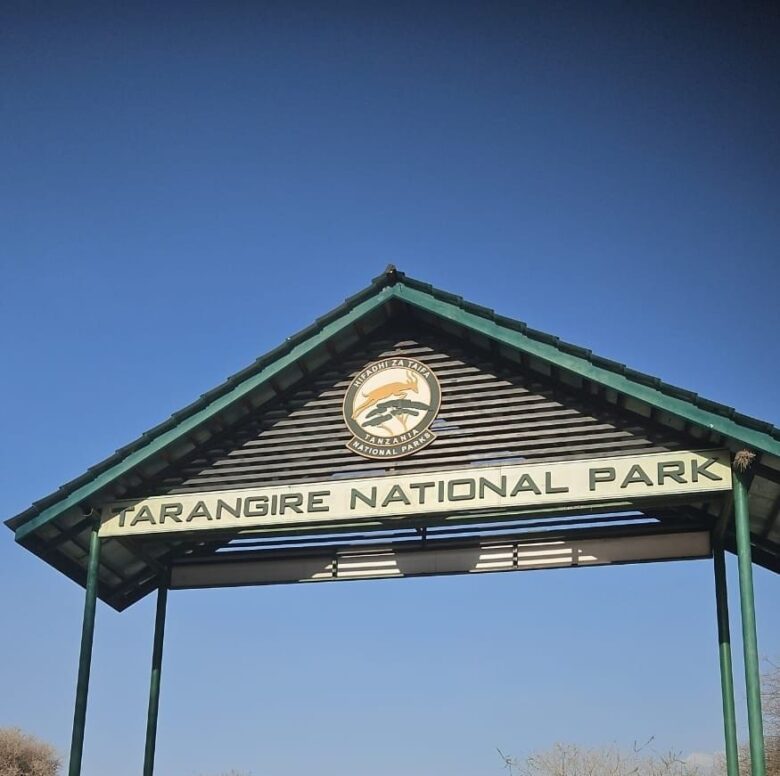
| Tarangire National Park | Elephants & baobab trees | Almost | June–October |
| Lake Manyara National Park | Families & birdwatching | No | Year-round |
| Nyerere National Park | Boat safaris & remote wilderness | ✅ | June–October |
| Ruaha National Park | Predators & uncrowded safaris | Almost | June–October |
| Mahale Mountains National Park | Chimpanzee trekking | No | July–October |
1. Serengeti National Park: Tanzania’s Most Iconic Safari Destination
When people picture a Tanzania safari, chances are they’re imagining the endless golden plains of Serengeti National Park. As one of the world’s most celebrated Tanzania national parks and a UNESCO World Heritage Site, the Serengeti has earned its reputation through breathtaking landscapes, extraordinary biodiversity, and one of nature’s greatest spectacles, the Great Migration.
Why Visit Serengeti National Park?
Each year, more than 1.5 million wildebeest, accompanied by hundreds of thousands of zebras and gazelles, move across the Serengeti ecosystem in search of fresh grazing. Along the way, they navigate crocodile-filled rivers, evade predators, and continue a migration that has remained unchanged for thousands of years. It’s one of the most remarkable wildlife events on Earth and one of the biggest reasons travellers choose the Serengeti for their Tanzania wildlife safari.
Beyond the migration, the Serengeti offers exceptional wildlife viewing throughout the year. Lions, leopards, elephants, buffaloes, rhinos, cheetahs, giraffes, hyenas, and hundreds of bird species thrive across its vast plains, making every game drive unique. Whether it’s your first safari or your tenth, the Serengeti always has a new story to tell.
Visitors can also enjoy unforgettable experiences beyond the traditional game drive, including sunrise hot air balloon safaris, guided bush walks in designated areas, cultural visits to nearby Maasai communities, and luxury tented camps beneath some of Africa’s clearest night skies.
Best time to visit:
June to October is ideal for exceptional wildlife viewing and the famous river crossings, while January to March is the best time to witness the wildebeest calving season in the southern Serengeti.
Best for:
- Great Migration
- Big Five safaris
- First-time visitors
- Luxury and honeymoon safaris
- Wildlife photography
At Let’s Discover Africa, we often recommend combining the Serengeti with the Ngorongoro Crater, Tarangire National Park, and Lake Manyara National Park for the ultimate Northern Circuit Tanzania safari experience.
2. Ngorongoro Crater: Africa’s Natural Wildlife Sanctuary
If the Serengeti is famous for its endless plains, the Ngorongoro Crater is celebrated for offering one of the highest concentrations of wildlife in Africa. Formed millions of years ago when a massive volcano collapsed, this UNESCO World Heritage Site is now home to an extraordinary variety of animals living within the world’s largest intact volcanic caldera.
Why Visit Ngorongoro Crater?
One of the biggest advantages of visiting the Ngorongoro Crater is the opportunity to see the Big Five in a single day. Lions, elephants, buffaloes, leopards, and the endangered black rhino can all be found here, alongside hippos, hyenas, zebras, wildebeests, and an incredible variety of birdlife. Its compact landscape makes wildlife viewing easier than in many larger Tanzania safari parks, making it an excellent choice for first-time safari travellers.
The crater’s scenery is just as impressive as its wildlife. Open grasslands, acacia woodlands, freshwater lakes, and swamps create diverse habitats that support thousands of animals throughout the year. Every game drive offers a different perspective, whether you’re watching lions resting on the plains, elephants grazing on the crater floor, or flamingos gathering along the shores of Lake Magadi.
Best time to visit:
The Ngorongoro Crater offers outstanding wildlife viewing throughout the year thanks to its resident animal population. The dry season from June to October is particularly popular for clear skies and comfortable game drives, while the green season offers lush landscapes and fewer visitors.
Best for:
- Big Five safaris
- First-time visitors
- Family safaris
- Short Tanzania safari itineraries
- Scenic photography
For many travellers, the Ngorongoro Crater is the perfect complement to Serengeti National Park, creating one of the most rewarding combinations on the Northern Circuit Tanzania safari route.
3. Tarangire National Park & Lake Manyara National Park: Hidden Gems of the Northern Circuit
While the Serengeti and Ngorongoro Crater often steal the spotlight, Tarangire National Park and Lake Manyara National Park are among the most rewarding Tanzania safari destinations, each offering a unique blend of wildlife, landscapes, and unforgettable experiences.
Tarangire National Park
Tarangire is best known for its enormous elephant herds and iconic baobab trees, which create some of Tanzania’s most distinctive landscapes. During the dry season, the Tarangire River becomes the park’s primary water source, attracting elephants, giraffes, zebras, wildebeests, lions, leopards, and countless other animals.
Compared to some of Tanzania’s more famous parks, Tarangire is generally less crowded, allowing visitors to enjoy a quieter and more intimate Tanzania wildlife safari. It’s an excellent destination for photographers, repeat safari travellers, and anyone wanting to experience spectacular wildlife away from the busiest routes.
Best time to visit:
June to October is the ideal time to visit, when wildlife gathers around the Tarangire River, making animal sightings more frequent and rewarding.
Best for:
- Elephant sightings
- Baobab landscapes
- Wildlife photography
- Quiet safari experiences
- Repeat safari visitors
Lake Manyara National Park
Although smaller in size, Lake Manyara National Park is one of Tanzania’s most diverse national parks. Its lush groundwater forest, open plains, and alkaline lake support an impressive variety of wildlife, including elephants, hippos, giraffes, baboons, and more than 400 bird species.
The park is also famous for its legendary tree-climbing lions, a rare behaviour that continues to fascinate visitors from around the world. Whether or not you spot them resting in the branches, Lake Manyara offers exceptional scenery and wildlife viewing within a compact area, making it a popular stop on many Northern Circuit Tanzania itineraries.
Best time to visit:
Lake Manyara is a year-round destination, although the dry season from June to October is excellent for wildlife viewing, while the wet season brings lush scenery and attracts thousands of migratory birds.
Best for:
- Families
- Birdwatching
- Tree-climbing lions
- Scenic landscapes
- Short Tanzania safari itineraries
Together, Tarangire and Lake Manyara perfectly complement Serengeti National Park and the Ngorongoro Crater, creating a well-balanced Tanzania safari that showcases the remarkable diversity of Northern Tanzania.
4. Nyerere National Park, Ruaha National Park & Mahale Mountains National Park: Tanzania’s Wild Side
For travellers looking to venture beyond the famous Northern Circuit Tanzania, the country’s southern and western parks offer a completely different safari experience. These remote Tanzania safari destinations are known for their untouched wilderness, fewer crowds, and extraordinary wildlife encounters.
Nyerere National Park
Formerly part of the Selous Game Reserve, Nyerere National Park is Africa’s largest national park and one of Tanzania’s most unspoilt wildlife destinations. Unlike many safari parks, Nyerere offers a combination of traditional game drives, boat safaris along the Rufiji River, and guided walking safaris, giving visitors the opportunity to experience the bush from different perspectives.
The park is home to elephants, lions, leopards, buffaloes, giraffes, hippos, crocodiles, and one of Africa’s most important populations of the endangered African wild dog.
Best time to visit:
June to October is the ideal time, when wildlife gathers around rivers and water sources, making sightings easier.
Best for:
- Boat safaris
- Walking safaris
- Luxury travellers
- Couples
- Remote wilderness experiences
Ruaha National Park
As Tanzania’s largest national park by land area, Ruaha National Park is famous for its dramatic landscapes, ancient baobab trees, and exceptional predator sightings. The park supports one of Africa’s largest lion populations and is also home to leopards, cheetahs, elephants, buffaloes, giraffes, and the endangered African wild dog.
With far fewer safari vehicles than the Northern Circuit, Ruaha offers an authentic African safari experience that’s perfect for travellers seeking privacy and incredible wildlife.
Best time to visit:
June to October is the best period for wildlife viewing, as animals gather around the Great Ruaha River during the dry season.
Best for:
- Predator sightings
- Wildlife photographers
- Repeat safari visitors
- Quiet game drives
- Wilderness lovers
Mahale Mountains National Park
Unlike any other safari destination in Tanzania, Mahale Mountains National Park combines lush tropical forests with the crystal-clear waters of Lake Tanganyika. Instead of searching for the Big Five, visitors trek through the forest to observe wild chimpanzees in their natural habitat, creating one of Africa’s most extraordinary wildlife experiences.
Its remote location, breathtaking scenery, and intimate wildlife encounters make Mahale one of Tanzania’s most exclusive destinations.
Best time to visit:
July to October offers the best conditions for chimpanzee trekking, as the trails are drier and the chimpanzees are generally easier to locate.
Best for:
- Chimpanzee trekking
- Adventure travellers
- Nature lovers
- Luxury safaris
- Unique wildlife experiences
Together, these parks showcase another side of Tanzania wildlife safaris, proving that the country’s greatest adventures extend far beyond the famous Northern Circuit.
Best Safari Parks in Tanzania by Travel Style
Every traveller dreams of a different safari experience, which is why there is no single “best” safari park in Tanzania. The right choice depends on what you want to see, who you’re travelling with, and the kind of adventure you’re looking for.
Best for First-Time Visitors
If it’s your first Tanzania safari, combine Serengeti National Park with the Ngorongoro Crater. Together, they offer exceptional wildlife viewing, breathtaking scenery, and an unforgettable introduction to Tanzania’s famous safari destinations.
Best for the Great Migration
Serengeti National Park is unmatched for witnessing the Great Migration, where millions of wildebeest, zebras, and gazelles move across the plains in one of the world’s greatest wildlife spectacles.
Best for Seeing the Big Five
The Ngorongoro Crater provides one of the best opportunities in Africa to spot the Big Five in a single game drive, thanks to its high concentration of resident wildlife.
Best for Elephant Lovers
With its enormous elephant herds and iconic baobab trees, Tarangire National Park is the perfect destination for travellers who want close encounters with Africa’s gentle giants.
Best for Families
Lake Manyara National Park and the Ngorongoro Crater are excellent choices for family safaris, offering shorter game drives, diverse wildlife, and easily accessible locations.
Best for Luxury and Honeymoon Safaris
For travellers seeking exclusivity, luxury lodges, and unforgettable scenery, Serengeti National Park and Nyerere National Park provide some of Tanzania’s finest safari experiences.
Best for Wildlife Photographers
The Serengeti’s endless plains, the dramatic landscapes of the Ngorongoro Crater, and Tarangire’s ancient baobab trees provide incredible opportunities for capturing Tanzania’s wildlife.
Best for Adventure and Off-the-Beaten-Path Experiences
If you’re looking to explore beyond the traditional safari circuit, Ruaha National Park and Mahale Mountains National Park offer remote wilderness, fewer crowds, and extraordinary wildlife encounters, from predator sightings to chimpanzee trekking.
No matter your travel style, Tanzania offers a safari experience that’s uniquely your own. Many travellers choose to combine several parks, creating an itinerary that showcases the country’s remarkable diversity, from the famous Northern Circuit to the untouched wilderness of Southern Tanzania.
Sample Safari Combinations
| If you have… | Recommended Parks |
| 3-4 days | Tarangire + Ngorongoro |
| 5-6 days | Tarangire + Ngorongoro + Serengeti |
| 7-8 days | Lake Manyara + Tarangire + Ngorongoro + Serengeti |
| 10+ days | Northern Circuit + Zanzibar or Nyerere |
Choosing Your Perfect Tanzania Safari
No two national parks in Tanzania are the same, and that’s exactly what makes a Tanzania safari so rewarding. Whether you’re drawn to the Great Migration in the Serengeti, the wildlife-rich Ngorongoro Crater, Tarangire’s giant elephant herds, or the remote wilderness of Nyerere and Ruaha, every park offers a unique adventure.
The best safari isn’t about choosing the most famous destination. It’s about choosing the experiences that match your interests, travel style, and the memories you want to create. With careful planning, you can combine several of Tanzania’s incredible national parks into one unforgettable journey.
Frequently Asked Questions
1. Which national park is best for a first-time safari in Tanzania?
For many first-time visitors, a combination of Serengeti National Park and the Ngorongoro Crater offers the ultimate introduction to Tanzania. Together, they provide exceptional wildlife viewing, breathtaking landscapes, and excellent opportunities to see the Big Five.
2. Which national park is best for seeing the Great Migration?
Serengeti National Park is the best place to witness the Great Migration. Every year, more than 1.5 million wildebeest, accompanied by zebras and gazelles, move across the Serengeti ecosystem in search of fresh grazing, creating one of the world’s greatest wildlife spectacles.
3. Which Tanzania national park has the most elephants?
Tarangire National Park is famous for its large elephant population, especially during the dry season when herds gather along the Tarangire River. It’s one of the best places in East Africa to observe elephants in their natural habitat.
4. Which safari parks are best for families?
The Ngorongoro Crater, Lake Manyara National Park, and Tarangire National Park are excellent choices for families thanks to their diverse wildlife, shorter driving distances, and rewarding game viewing.
5. How many days do I need for a Tanzania safari?
A safari of 5 to 7 days is ideal for exploring Tanzania’s Northern Circuit, allowing you to visit destinations such as Tarangire, the Ngorongoro Crater, and Serengeti National Park. Longer itineraries provide the opportunity to include Southern Tanzania or extend your holiday with a beach stay in Zanzibar.
6. When is the best time to visit Tanzania’s national parks?
Tanzania is a year-round safari destination. However, the dry season from June to October is generally considered the best time for wildlife viewing, while different seasons offer unique experiences such as the Great Migration river crossings or the wildebeest calving season.
For a complete seasonal breakdown, read our guide on the best time to visit Tanzania.