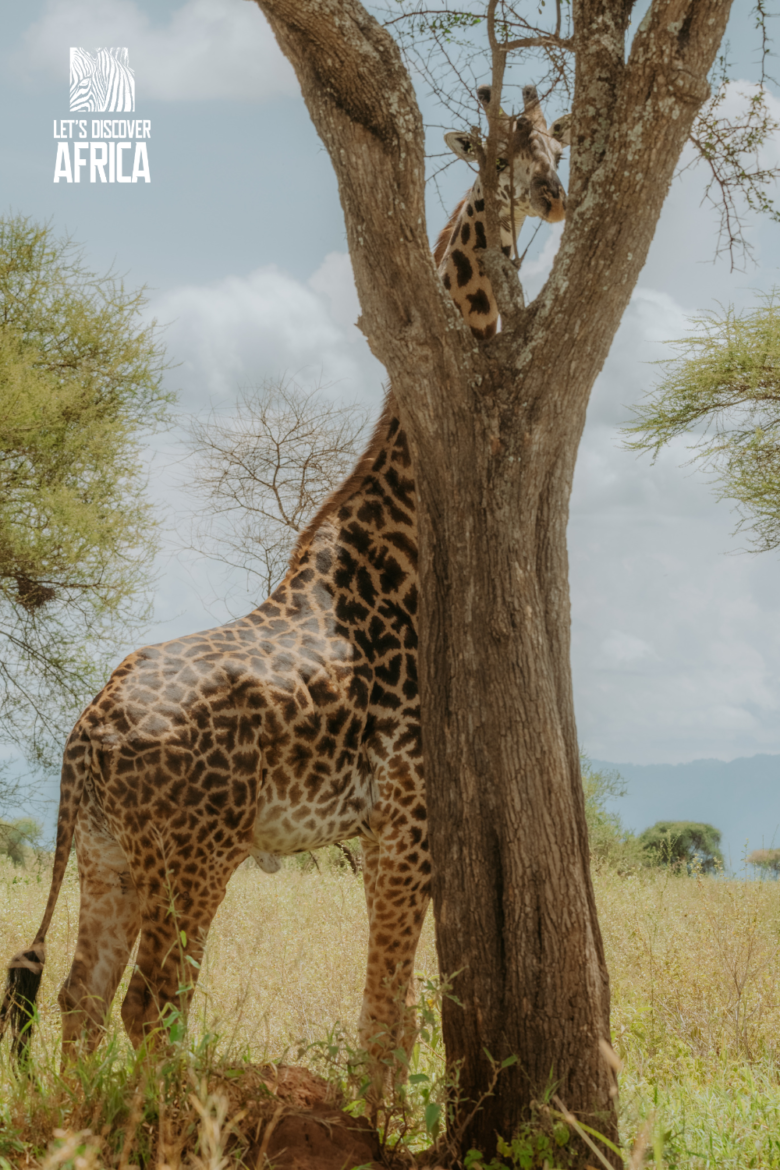
Tanzania Safari from July to September: The Best Activities for the Northern Circuit and Zanzibar

If you’re planning a Tanzania safari between July and September, you’re visiting during one of the most rewarding times of the year.
For many travellers, this is the season that defines a safari in Tanzania. Whether you’re hoping to witness dramatic Mara River crossings, enjoy a private safari through East Africa’s most iconic landscapes, or combine your adventure with a few days on Zanzibar’s beautiful coastline, July through September offers something for every type of traveller.
This guide explores the activities, destinations, and experiences that make this one of the best times to visit Tanzania.
✅ Quick Overview
- Why Visit Between July and September: The dry season brings clearer visibility, shorter grass, and exceptional wildlife viewing as animals gather around water sources, with the Great Migration moving toward the Northern Serengeti and Mara River for dramatic crossings.
- Exploring Tanzania’s Northern Circuit: A classic route through Arusha, Tarangire, Lake Manyara, Ngorongoro Crater, and Serengeti, offering a remarkable variety of landscapes, wildlife, and experiences.
- Tarangire National Park: Land of Giants: During the dry season, large elephant herds congregate around the Tarangire River, set against iconic baobabs and golden grasslands, delivering a rewarding, less-crowded safari experience for photographers.
- Ngorongoro Crater: Wildlife in Extraordinary Concentration: A UNESCO-worthy caldera home to lions, elephants, buffalo, zebras, and more, with dawn descents offering cooler temperatures, active wildlife, and among the best chances to spot the endangered black rhino.
- Zanzibar: The Perfect Safari Companion: After mornings in the bush, Zanzibar offers warm, sunny beaches, snorkeling and diving, Stone Town’s history, and spice tours, making it an ideal coastal finale for a Tanzania safari.
Why Visit Between July and September?
July to September is widely regarded as one of the best periods for safari travel in Tanzania.
The dry season brings shorter grass, clearer visibility, and exceptional wildlife viewing as animals gather around permanent water sources. This means less time searching and more time observing, whether you’re watching elephant herds in Tarangire, predators in the Serengeti, or wildlife roaming the floor of the Ngorongoro Crater.
This is also when the Great Migration moves toward the Northern Serengeti and the Mara River. While river crossings can never be guaranteed, this period offers some of the best opportunities to witness one of nature’s most dramatic spectacles.
The weather is another advantage. Cool mornings and warm, sunny afternoons create ideal conditions for game drives, hot air balloon safaris, crater descents, and full days exploring Tanzania’s wilderness.
With exceptional wildlife viewing, comfortable travel conditions, and the possibility of witnessing the Great Migration at its most dramatic, it’s easy to see why July through September remains one of Tanzania’s most sought-after safari seasons.
Exploring Tanzania’s Northern Circuit
Most Northern Circuit safaris begin in Arusha before continuing through Tarangire, Lake Manyara, the Ngorongoro Crater, and the Serengeti. Together, these destinations offer a remarkable variety of landscapes, wildlife, and experiences, making them the most popular safari route in Tanzania.
Tarangire National Park: Land of Giants
Tarangire is often one of the most underrated highlights of the Northern Circuit.
During the dry season, wildlife gathers around the Tarangire River, transforming the park into a hub of activity. Large elephant herds are the main attraction, and it is not uncommon to see dozens of elephants moving together across the landscape.
The park’s iconic baobab trees, golden grasslands, and seasonal riverbeds create some of the most distinctive scenery in Tanzania. Combined with excellent birdlife and fewer crowds than some of the country’s more famous parks, Tarangire offers an authentic safari experience that feels both wild and rewarding.
For photographers, July through September is particularly appealing as dust trails, dramatic light, and striking silhouettes create unforgettable images.
Ngorongoro Crater: Wildlife in Extraordinary Concentration
Few places in Africa offer wildlife viewing quite like the Ngorongoro Crater.
Often described as one of the world’s natural wonders, this vast volcanic caldera is home to an extraordinary concentration of wildlife within a relatively compact area. Lions, elephants, buffalo, zebras, hyenas, and countless other species can all be found on the crater floor.
A dawn descent is widely considered the best way to experience the crater. Early morning light, cooler temperatures, and active wildlife combine to create some of Tanzania’s most rewarding game-viewing opportunities.
For travellers hoping to spot the endangered black rhino, Ngorongoro also offers one of the best chances in the country.
Beyond wildlife, the crater rim presents spectacular views and a completely different atmosphere from the Serengeti’s open plains. Misty mornings, rolling highlands, and dramatic viewpoints add another dimension to the safari experience.
Serengeti National Park: Where the Drama Unfolds
For many travellers, the Serengeti is the reason they come to Tanzania.
Between July and September, the park becomes one of Africa’s most exciting safari destinations as the Great Migration moves north toward the Mara River. This period combines exceptional resident wildlife with the possibility of witnessing one of nature’s greatest spectacles.
Central Serengeti remains one of the most reliable wildlife-viewing areas in East Africa. Its resident populations of lions, leopards, cheetahs, and other predators ensure rewarding game drives throughout the year, while the region’s famous kopjes and endless plains create the classic Serengeti scenery many travellers imagine.
Further north, the Northern Serengeti becomes the focal point for migration activity. This is where travellers position themselves for the chance to witness dramatic river crossings as thousands of wildebeest and zebras attempt to navigate crocodile-filled waters in search of fresh grazing.
For couples planning honeymoon safaris, few experiences compare to watching the sunrise over the Serengeti before setting out on a morning game drive through one of the world’s most celebrated wildlife ecosystems. The combination of romance, adventure, and extraordinary scenery makes the Serengeti a natural choice for unforgettable journeys.
A hot air balloon safari offers another perspective entirely. Floating above the plains at sunrise provides breathtaking views of wildlife, landscapes, and migration routes, creating memories that remain long after the journey ends.
Zanzibar: The Perfect Safari Companion
After early mornings, game drives, and days spent exploring Tanzania’s wilderness, Zanzibar offers the perfect change of pace.
Between July and September, the island enjoys warm temperatures, clear skies, and pleasant coastal breezes, making it one of the best times to visit. While many travellers come for the beaches, Zanzibar offers much more than a place to relax.
The island’s turquoise waters provide excellent opportunities for snorkeling, diving, and ocean excursions. Many visitors choose to spend a few days by the coast after safari, creating a balance between adventure and relaxation.
No visit to Zanzibar is complete without exploring Stone Town. Its winding alleys, carved wooden doors, vibrant markets, and rich history reveal a different side of Tanzania. A guided walk through the historic center offers fascinating insights into centuries of trade, culture, and heritage that continue to shape the island today.
Many travellers also include a spice tour, discovering why Zanzibar became known as the Spice Island and experiencing the aromas and flavours that have influenced its history for generations.
For couples enjoying honeymoon safaris, Zanzibar provides the perfect finale. The combination of wildlife-filled days on safari and peaceful evenings by the ocean creates one of Africa’s most iconic travel experiences.
Planning Your July to September Safari
The best Tanzania safari is one that reflects your priorities.
If witnessing a Mara River crossing is at the top of your list, consider spending more time in the Northern Serengeti and allowing for multiple game drives in the area. Patience and flexibility are often rewarded, as river crossings happen on nature’s schedule rather than ours.
Travellers looking to maximize wildlife sightings in a shorter timeframe often focus on Ngorongoro Crater and Central Serengeti, while those seeking a balanced Northern Circuit experience may choose a combination of Tarangire, Lake Manyara, Ngorongoro, and the Serengeti.
One of the biggest planning decisions is whether to drive or fly between destinations. Road transfers offer scenic views and can be a more budget-friendly option, while bush flights maximize time in the parks and create a more relaxed pace, particularly for migration-focused itineraries.
Tanzania also caters to a wide range of travel styles. Budget travellers can enjoy excellent wildlife viewing from comfortable camps and lodges, while luxury safaris offer exclusive camps, fly-in itineraries, personalized service, and prime wildlife locations. For those seeking flexibility, a private safari provides the freedom to explore at your own pace and spend more time at sightings that matter most.
Because July to September is one of Tanzania’s busiest travel periods, booking accommodation well in advance is highly recommended, especially in the Serengeti. Packing layers for cool mornings and allowing enough time for wildlife viewing will help ensure a more rewarding experience.
With the right planning, this season offers the perfect balance of wildlife, adventure, and relaxation, whether your journey ends in the Serengeti or on the shores of Zanzibar.
Final Thoughts
A Tanzania safari from July to September showcases the country at its most rewarding.
The dry season brings exceptional wildlife viewing across the Northern Circuit, while the Great Migration adds anticipation and drama to the Serengeti’s northern plains. From the elephant-rich landscapes of Tarangire and the scenic beauty of Lake Manyara to the wildlife-packed floor of the Ngorongoro Crater and the endless plains of the Serengeti, every destination offers a unique perspective on Tanzania’s natural wonders.
Whether your goal is witnessing a Mara River crossing, photographing predators in the Serengeti, exploring the Ngorongoro Crater, or unwinding beside the Indian Ocean, July through September remains one of the best times to experience Tanzania.
The key is to start with the experiences that matter most to you and build an itinerary around them. Tanzania will take care of the rest.
Frequently Asked Questions
Is July to September the best time to visit Tanzania for a safari?
For many travellers, yes. July to September is considered one of the best safari seasons in Tanzania thanks to excellent wildlife viewing, comfortable weather conditions, and the Great Migration’s movement through the Northern Serengeti. The combination of these factors makes it one of the most sought-after times to visit.
How many days should I spend on safari and in Zanzibar?
For a well-balanced experience, most travellers choose between 8 and 14 days. This allows enough time to explore the highlights of the Northern Circuit, including Tarangire, Lake Manyara, Ngorongoro, and the Serengeti, while also enjoying a few relaxing days on Zanzibar’s coastline.