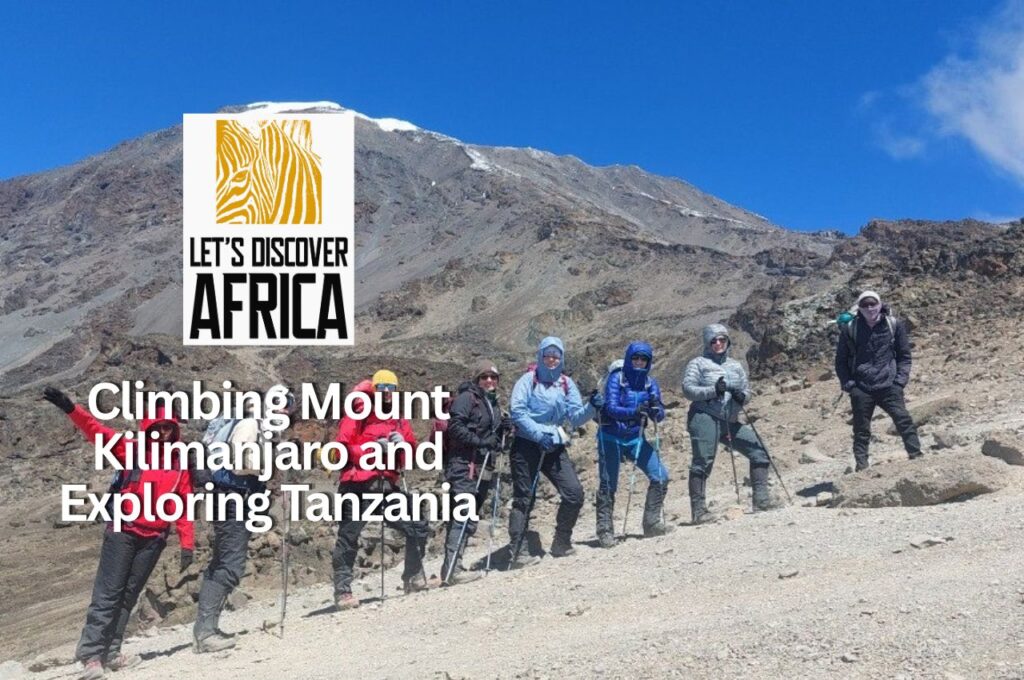
Climbing Mount Kilimanjaro and Exploring Tanzania
Most people think climbing Mount Kilimanjaro is the entire adventure.
In reality, reaching the summit is only the beginning of an unforgettable journey through Tanzania.
From standing on the Roof of Africa to experiencing a Tanzania safari, discovering local culture, and unwinding on Zanzibar’s white-sand beaches, here’s everything you need to know about climbing Mount Kilimanjaro and making the most of your adventure.
✅ Quick Overview
- Climb Kilimanjaro as part of a Tanzania-wide adventure: Reaching Uhuru Peak is just the start; most travelers pair Kilimanjaro with safaris in Serengeti and Ngorongoro, cultural experiences, and a Zanzibar beach finale for a complete Tanzania journey.
- Kilimanjaro: a standout trek with global significance: At 5,895 metres, Kilimanjaro is the tallest free-standing mountain and Africa’s highest peak, and its location as a UNESCO World Heritage Site highlights its exceptional natural beauty and ecological importance.
- Best times to climb Kilimanjaro: Weather is shaped by Tanzania’s wet and dry seasons: January–March and June–October offer favorable conditions and clear summit views, while April, May, and November bring heavier rains and muddier trails.
- Choosing the right route for success: Success hinges on acclimatization; routes lasting seven to nine days improve summit chances, with Machame and Lemosho offering strong acclimatization and scenic experiences, while Marangu and Rongai have different pacing and crowd dynamics.
- Beyond the summit: maximize your Tanzanian experience: Prepare for additional highlights like Mount Meru for acclimatization, Moshi’s local gems, and a Tanzania safari or Zanzibar escape to cap off the journey with wildlife and relaxation.
Why Climb Mount Kilimanjaro?
Standing at an impressive 5,895 metres (19,341 feet) above sea level, Mount Kilimanjaro is the tallest free-standing mountain in the world and Africa’s highest peak. Every year, thousands of adventurers travel to Tanzania to take on the challenge of reaching Uhuru Peak, drawn by the opportunity to experience one of the world’s most iconic treks.
Mount Kilimanjaro is also recognized as a UNESCO World Heritage Site, celebrated for its exceptional natural beauty and ecological significance.
What makes climbing Mount Kilimanjaro truly unique isn’t just the summit. Over several days, trekkers journey through five distinct climate zones, beginning in lush rainforest, passing through heath and alpine desert, and eventually reaching the glacier-covered summit. Few places on Earth offer such a dramatic change in landscapes within a single expedition.
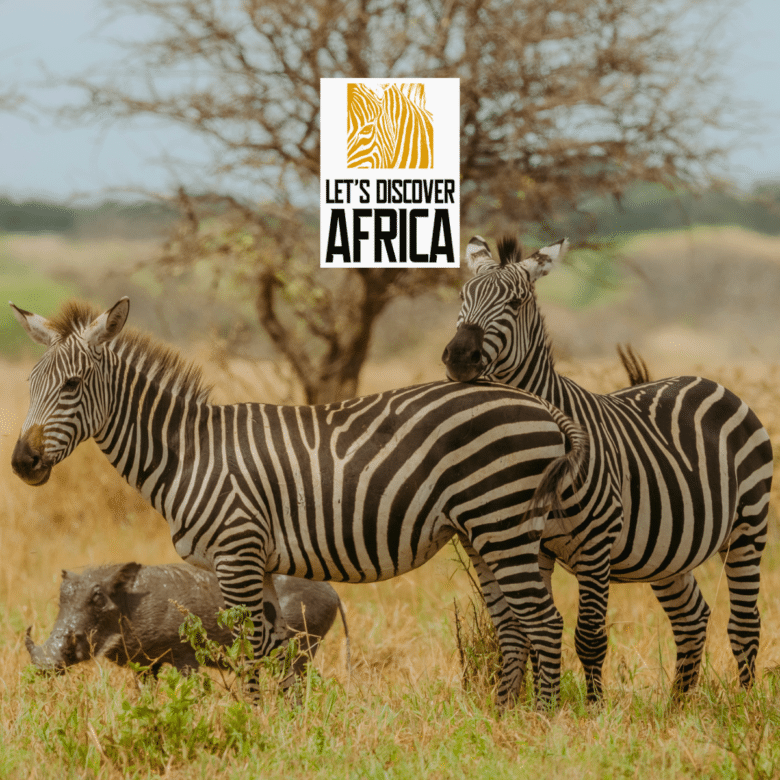
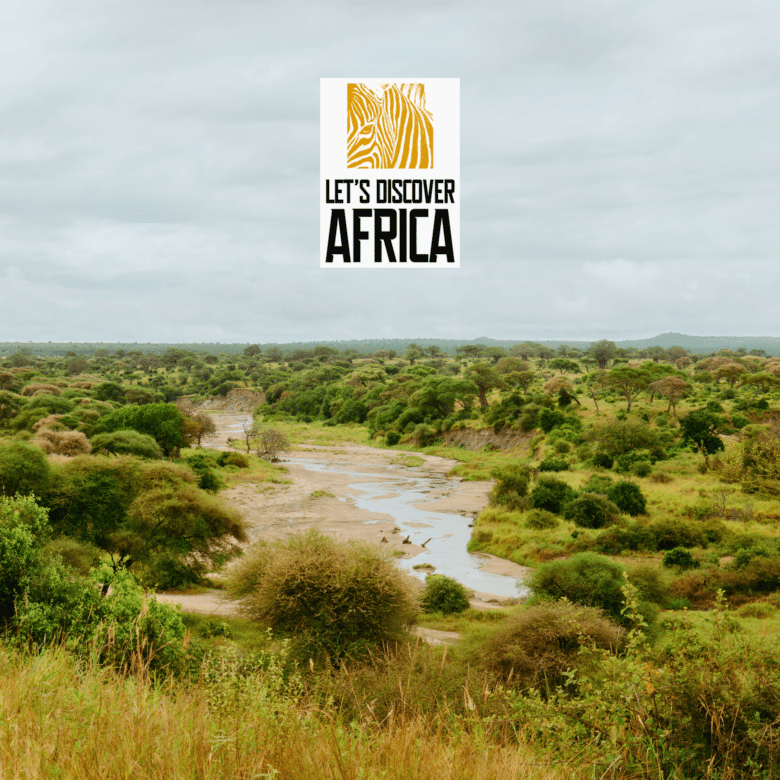
Yet, a Kilimanjaro adventure doesn’t have to end at the summit. Many travellers combine their climb with a Tanzania safari, exploring iconic destinations such as Tanzania’s Serengeti, the Ngorongoro Crater, Tarangire National Park, and Lake Manyara before relaxing on the beaches of Zanzibar. It is this combination of adventure, wildlife, and culture that makes Tanzania one of Africa’s most rewarding travel destinations.
Looking for more reasons to climb Mount Kilimanjaro, here is the authority that has all information about it Mount Kilimanjaro National Park (KINAPA) – KINAPA – Kilimanjaro National Park
When Is the Best Time to Climb Kilimanjaro?
Because Mount Kilimanjaro sits close to the equator, temperatures remain fairly consistent throughout the year. Instead, your experience is largely shaped by Tanzania’s wet and dry seasons.
January to Mid-March
This is one of the best periods to climb. Conditions are generally dry, temperatures are slightly warmer, and the mountain often enjoys clear morning skies with spectacular summit views.
June to October
This is the most popular climbing season and coincides with Tanzania’s peak safari season. The weather is usually stable, making it an excellent time for climbing Mount Kilimanjaro and combining your trek with Tanzania safari tours or luxury Tanzania safaris. Although the trails are busier, visibility is often exceptional. Keep in mind that summit night temperatures can fall well below freezing.
The Rainy Seasons
April, May, and November bring heavier rainfall, creating muddy and slippery trails. While experienced trekkers sometimes prefer these quieter months, most first-time climbers will enjoy a safer and more comfortable experience during the dry seasons.
Choosing the Right Route
One of the biggest decisions you’ll make is selecting the route that best matches your fitness level, experience, and travel goals.
Success on Mount Kilimanjaro is influenced less by physical strength and more by acclimatization. Routes lasting seven to nine days generally have significantly higher summit success rates because they give your body enough time to adjust to the altitude.
Machame vs Lemosho
The Machame Route, often called the “Whiskey Route,” is one of Kilimanjaro’s most popular trails. Known for its breathtaking scenery, dramatic ridgelines, and excellent “climb high, sleep low” profile, it offers strong acclimatization despite being slightly steeper and busier.
The Lemosho Route is widely regarded as the mountain’s most scenic route. Beginning on Kilimanjaro’s quieter western slopes, it offers stunning landscapes, fewer crowds during the early days, and one of the highest summit success rates. For travellers with extra time, Lemosho is often considered the premium choice.
Marangu vs Rongai
The Marangu Route, also known as the “Coca-Cola Route,” is the only trail offering dormitory-style huts instead of camping. Although it has a gentler gradient, many trekkers attempt it in just five days, resulting in lower summit success due to insufficient acclimatization.
The Rongai Route, approaching from the northern side near the Kenyan border, offers a quieter experience and drier conditions, making it particularly attractive during wetter months. Opting for a seven-day itinerary greatly improves acclimatization and overall success.
Preparing for the Climb
Climbing Mount Kilimanjaro doesn’t require technical climbing skills, but it does demand good preparation, endurance, and determination. With the right training, equipment, and mindset, reaching Africa’s highest peak is an achievable goal for many first-time trekkers.
Train Before You Travel
Start preparing at least three to four months before your climb. Focus on building cardiovascular fitness through activities like running, cycling, or swimming, strengthen your legs with exercises such as squats and lunges, and spend time hiking with a loaded backpack while wearing the boots you’ll use on the mountain. This will improve your endurance and help prevent blisters.
Pack Smart
Weather conditions change dramatically as you climb through Kilimanjaro’s five climate zones, so layering is essential. Pack moisture-wicking clothing, warm insulating layers, a waterproof jacket, sturdy trekking boots, a four-season sleeping bag, gloves, a warm hat, sunglasses, a headlamp, and a comfortable daypack. Many reputable operators also offer quality gear for hire.
Remember “Pole Pole”
One of the most important lessons on the mountain is the Swahili phrase “Pole Pole,” meaning “slowly, slowly.” A steady pace, staying hydrated, eating regular meals, and listening to your guides all improve your chances of acclimatizing successfully and reaching the summit safely.
Beyond the Summit: Explore More of Tanzania

Reaching the summit of Mount Kilimanjaro is an incredible achievement, but your adventure doesn’t have to end there. Northern Tanzania offers unforgettable wildlife, rich cultural experiences, and breathtaking landscapes that perfectly complement your climb.
Mount Meru: The Perfect Warm-Up
If you’re looking to acclimatize before tackling Kilimanjaro, consider climbing Mount Meru in Arusha National Park. Standing at 4,562 metres, Africa’s fifth-highest mountain offers a rewarding three to four-day trek with spectacular views, diverse wildlife, and excellent preparation for higher altitudes.
Discover Moshi’s Hidden Gems
Before or after your climb, take time to explore the beauty surrounding Moshi.
A visit to Materuni Waterfalls combines a scenic hike with an authentic Chagga coffee experience, where you’ll learn how locally grown coffee is harvested, roasted, and brewed.
If relaxation is what you need after reaching the summit, the crystal-clear waters of Kikuletwa (Chemka) Hot Springs provide the perfect place to unwind and soothe tired muscles.
Complete Your Journey with a Tanzania Safari
No trip to Tanzania is complete without experiencing its incredible wildlife.
Whether you choose Arusha National Park, famous for its walking safaris and colobus monkeys, or Tarangire National Park, renowned for its ancient baobab trees and large elephant herds, every wildlife safari offers a unique perspective on Tanzania’s natural beauty.
Many travellers also combine their climb with Tanzania safari tours to Tanzania’s Serengeti and the Ngorongoro Crater, creating one unforgettable journey through some of Africa’s most iconic landscapes. Whether you’re planning a private safari, family safari, honeymoon safari, or one of our luxury Tanzania safaris, combining Kilimanjaro with a safari is one of the best ways to experience Tanzania.
End in Paradise
After days of trekking and adventure, there’s no better reward than Zanzibar.
Just a short flight from Kilimanjaro International Airport, Zanzibar offers white-sand beaches, turquoise waters, historic Stone Town, and world-class snorkelling. It’s the perfect place to relax, reflect, and celebrate your achievement before heading home.
Climbing Mount Kilimanjaro is more than reaching Africa’s highest peak. It’s about challenging yourself, embracing new experiences, and discovering everything Tanzania has to offer. From the summit of Kilimanjaro to unforgettable Tanzania safaris and the tropical shores of Zanzibar, every journey tells a different story.
At Let’s Discover Africa, we create tailor-made experiences that combine Kilimanjaro climbing, Tanzania safari packages, and Zanzibar escapes into one seamless adventure. Whether you’re travelling solo, as a couple, with family, or in a group, we’ll help you experience Tanzania in a way that’s meaningful, memorable, and entirely your own.
Thinking about climbing Mount Kilimanjaro or combining it with a Tanzania safari? We’d love to hear about your plans or answer any questions in the comments below.
Frequently Asked Questions
❓ Planning your Kilimanjaro adventure?
How many days should I allow for climbing Mount Kilimanjaro?
A 7 to 8-day itinerary generally offers the best balance between acclimatization and summit success. Many travellers also extend their stay with a Tanzania safari or a relaxing Zanzibar beach holiday to experience the very best of Tanzania.
❓ Travel agent planning a Kilimanjaro itinerary?
At Let’s Discover Africa, we help travel partners create seamless itineraries that combine climbing Mount Kilimanjaro, tailor-made Tanzania safari packages, Zanzibar beach holidays, and authentic cultural experiences. Whether your clients are looking for a private safari, family safari, honeymoon safari, or luxury Tanzania safaris, we’ll help you design an unforgettable journey.
#TanzaniaSafari #MountKilimanjaro #AdventureTravel #TanzaniaTravel #LetsDiscoverAfrica