Zanzibar Spice Tour: 5 Unforgettable Spice Experiences
Discover the true essence of the Spice Island.
Discover the true essence of the Spice Island.
Did you know Zanzibar is known as “Spice Island” and this is due to its rich production of cloves, cinnamon, cardamom, and other fragrant treasures?
Interestingly, not all spices originated here. Portuguese traders introduced many of them in the 16th century, bringing them from their colonies in South America and India. But it was the Omani Arabs who expanded spice farming and transformed Zanzibar into a spice empire.
Whether you are exploring a spice farm in Zanzibar, tasting traditional Swahili dishes, or wandering through a historic market, a Zanzibar spice tour offers a unique way to discover the island through its aromas, flavors, culture, and history.
✅ Quick Overview
- Local Cuisine: Experience how spices transform Swahili meals in Zanzibar, from rice spiced with cloves to pilau whose aroma says you’re in Zanzibar.
- Walking Through a Spice Farm: Begin with a stroll through a lush shamba as a local guide reveals how cloves, cinnamon, ginger, and more are grown and used in cooking, healing, and cosmetics.
- Sipping Spice Tea at Sunset: Enjoy a warm cup of spice tea on a rooftop at sunset, a sensory link to centuries of trade and the flavors that traveled the world.
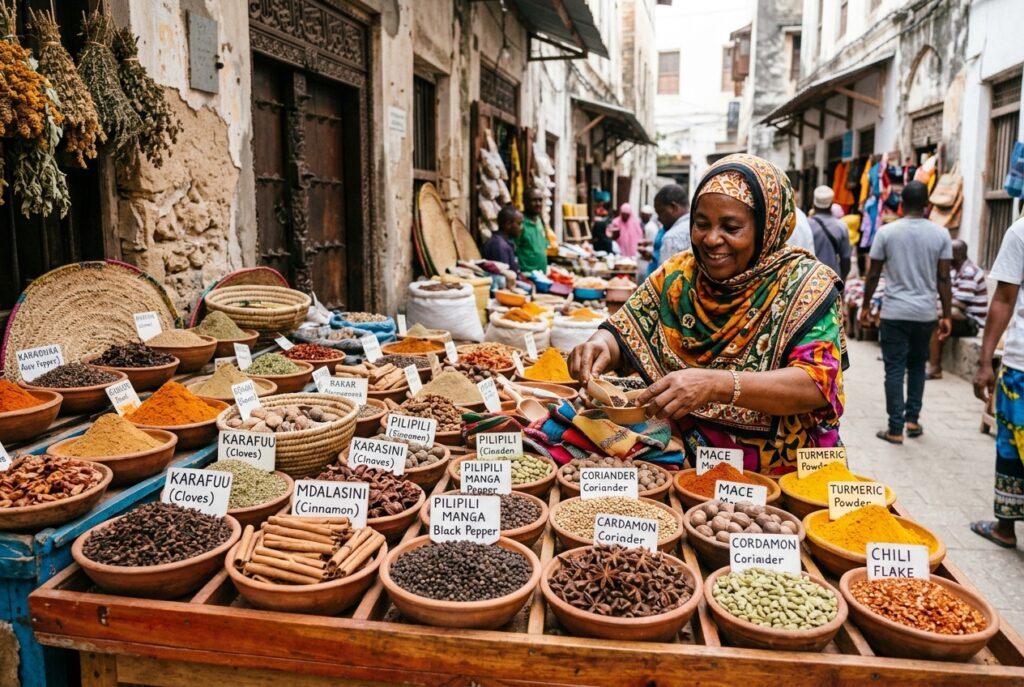
- Spice Market in Stone Town: Enter the Stone Town spice market, where doors, walls, and the air tell stories as you buy fresh spices to recreate Swahili dishes at home.
- Cultural Immersion: Learn about the spice trade’s impact on Zanzibar’s economy and culture, turning spices into a living heritage you can smell, taste, and touch.
5 Unforgettable Spice Experiences in Zanzibar
1. Local Cuisine
Ever wondered how spices transform everyday meals into unforgettable dishes? In Zanzibar, you’ll get the chance to experience it firsthand.
Join locals in preparing Swahili meals, watch how rice is spiced with cloves, and taste pilau whose aroma alone can tell you, “you’re in Zanzibar.”
You’ll get to taste:
- Fresh seafood or meat dishes cooked with traditional spice blends
- Fragrant rice dishes, delicately spiced with cloves, cardamom, and cinnamon
- Traditional Swahili flavors influenced by centuries of trade and cultural exchange
A Zanzibar spice tour is not just about seeing where spices are grown. It is also an opportunity to taste how these ingredients have shaped the island’s cuisine.
2. Walking Through a Spice Farm
The journey begins with a short walk through a lush spice farm in Zanzibar, locally known as shamba.
As you walk through the lush plantations, a knowledgeable local guide will highlight various spice trees and plants. From cloves, cinnamon, and ginger to so many others, you’ll discover where they come from, how they’re grown, and the many ways locals have used them for cooking, healing, and even for cosmetic purposes.
You may see, smell, and taste different spices as you explore the plantation, making this one of the most memorable parts of a Zanzibar spice farm tour.
The experience gives you a closer look at the agricultural traditions that helped give Zanzibar its famous Spice Island reputation.
3. Sipping Spice Tea at Sunset
As evening falls, imagine yourself on a rooftop in Stone Town. The Indian Ocean stretches before you. In your hands, a warm cup of spice tea.
This is not just a drink; it’s an experience.
As the sun sinks into the horizon, every sip connects you to the island, to centuries of trade, and to the flavors that travelled across the world.
From cinnamon and cloves to cardamom and ginger, the aromas bring together the many influences that have shaped Zanzibar over generations.
4. Spice Market in Stone Town
Step into the Zanzibar spice market, where history whispers through every carved door and wall, and the air is alive with fragrance, color, and the rhythm of daily life.
Here you can buy fresh spices to carry home, ready to recreate the Swahili dishes you’ve tasted.
And when you cook with them later, you’ll do more than flavor your meal, you’ll relive Zanzibar.
Exploring a spice market in Stone Town also gives you a glimpse into the island’s long history as an important center of trade between Africa, Arabia, India, and beyond.
5. Cultural Immersion
You’ll not only see how spices are grown but also learn about the spice trade and its lasting impact on Zanzibar’s economy.
This experience isn’t only about spices; it’s an aromatic journey into Zanzibar’s cultural and historical heritage.
Zanzibar spices are more than ingredients. They are stories, traditions, and a living heritage.
When you visit the Spice Island, don’t just pass through.
Smell, taste, touch, and let every spice guide you into the heart of Zanzibar.
Why Take a Zanzibar Spice Tour?
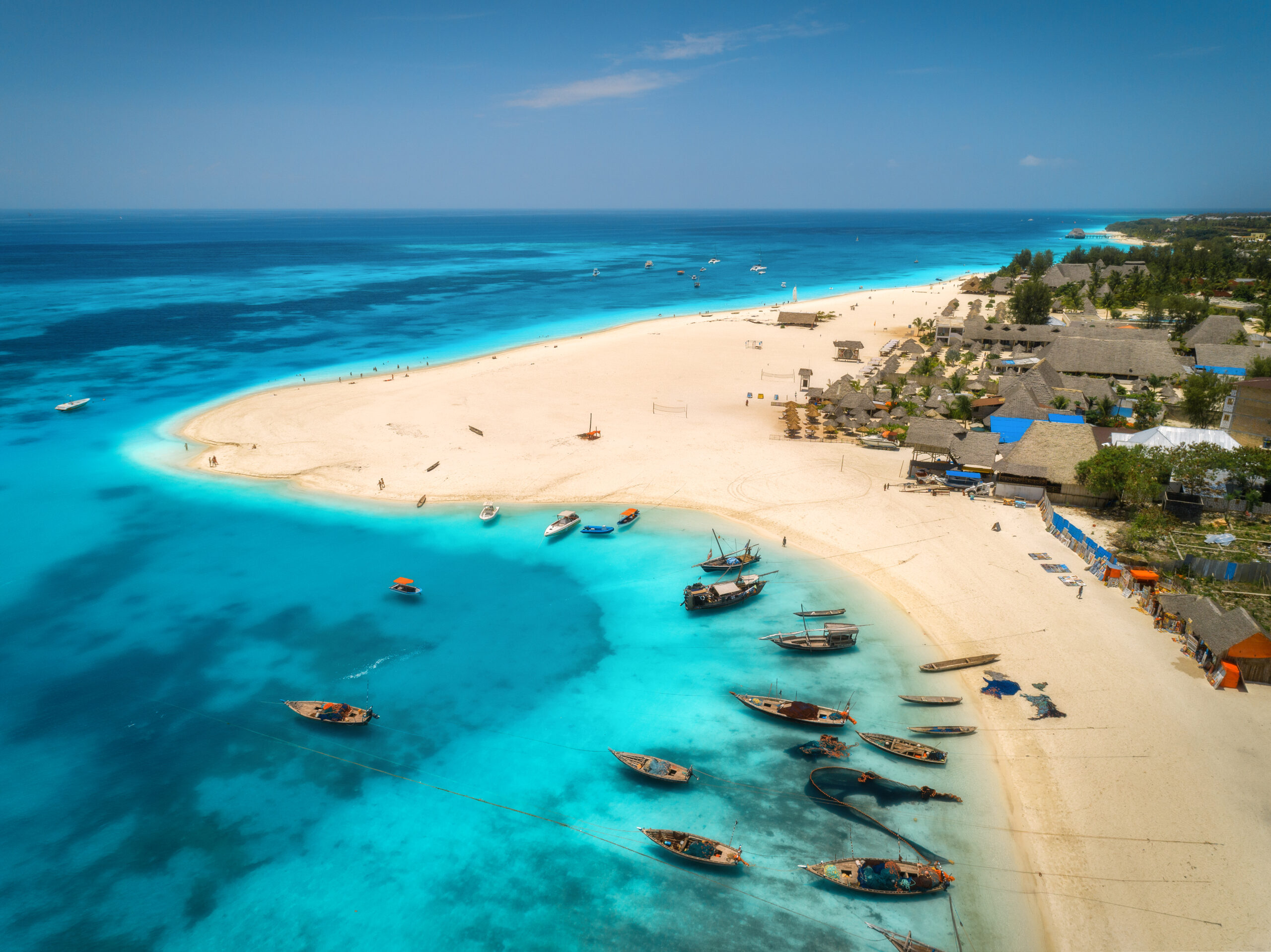
A spice tour gives you a different perspective of Zanzibar beyond its famous beaches and turquoise waters.
You can discover how spices are grown, learn about their traditional uses, taste authentic Swahili flavors, and understand how the spice trade influenced the island’s culture and history.
For travelers looking for an authentic cultural experience, a Zanzibar spice tour can be an excellent addition to a Zanzibar holiday.
Whether you are staying in Stone Town, exploring the island, or combining your beach holiday with cultural experiences, visiting a spice farm allows you to experience another side of Zanzibar.
What Spice Experience Would You Love to Try?
From walking through a fragrant spice farm and tasting traditional Swahili cuisine to exploring the Stone Town spice market, Zanzibar offers plenty of ways to experience its famous spice heritage.
What spice experience have you found very interesting that you would love to also experience while in Zanzibar?
FAQ
What makes Zanzibar known as the Spice Island?
Zanzibar is called the Spice Island due to its rich production of cloves, cinnamon, cardamom, and other fragrant treasures. The island’s spice heritage was expanded by the Omani Arabs after earlier introductions by Portuguese traders.
What can I expect when walking through a spice farm in Zanzibar?
You’ll stroll through a lush shamba with a local guide who explains how cloves, cinnamon, ginger, and other spices are grown and used in cooking, healing, and cosmetics.
What is included in a Zanzibar spice tour?
A typical Zanzibar spice tour can include a guided walk through a spice farm, learning about local spices and their traditional uses, tasting fresh spices and tropical fruits, experiencing Swahili cuisine, and learning about Zanzibar’s history and culture.
The exact experiences included depend on the tour.
How much does a Zanzibar spice tour cost?
The cost of a Zanzibar spice tour varies depending on the tour operator, duration, group size, transportation, and experiences included. Private tours and tours combined with other Zanzibar attractions may have different prices.
Is a Zanzibar spice farm tour worth visiting?
Yes. A Zanzibar spice farm tour offers more than a look at spices. It combines nature, food, culture, history, and local traditions, making it a memorable experience for travelers who want to discover a different side of Zanzibar.
What spices can I see on a Zanzibar spice tour?
Depending on the season and farm, you may encounter cloves, cinnamon, cardamom, ginger, and other aromatic plants and spices. A local guide can explain how they are grown and how they are traditionally used.
What spice experiences are included in a Zanzibar spice tour?
The tour typically features tasting Swahili dishes spiced with cloves, cardamom, and cinnamon, walking through a spice farm, sipping spice tea, visiting the Stone Town spice market, and learning about the spice trade’s cultural and economic impact.
Discover Zanzibar Beyond the Spices
A Zanzibar spice tour is just one way to experience the island.
From the historic streets of Stone Town and fragrant spice farms to beautiful beaches, local cuisine, and cultural encounters, Zanzibar offers experiences that stay with you long after you leave.
If you are planning your next Zanzibar holiday, let us help you discover the island beyond the usual tourist experience.
Explore Zanzibar with Let’s Discover Africa.