Why January Is One of Tanzania’s Best-Kept Safari Secrets
When travelers think about safaris in Tanzania, peak season often steals the spotlight, dramatic river crossings, dusty plains, and fully booked lodges. Yet some of the most profound safari experiences happen quietly, outside the obvious months.
January is one of those moments.
Far from being an “off-season,” January represents a time when Tanzania reveals itself in its most authentic, emotional, and visually striking form.
A Landscape Transformed
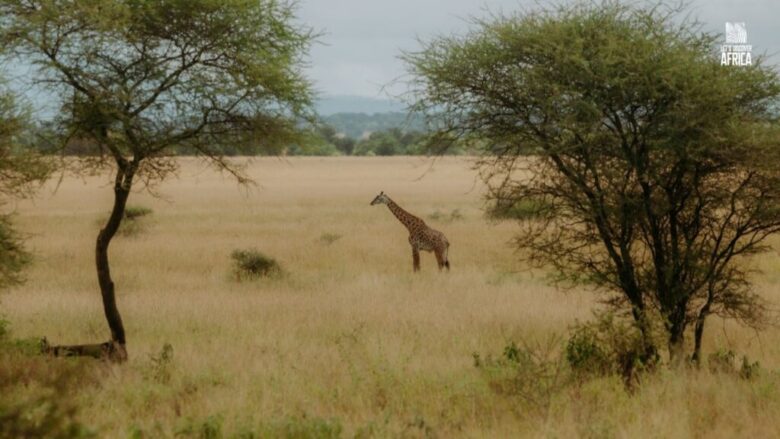
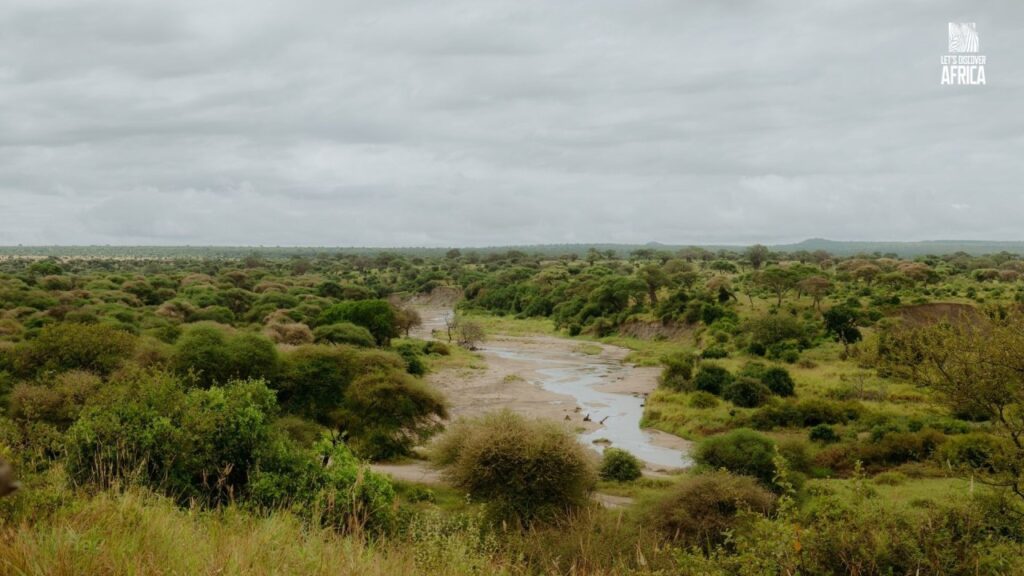
After the short rains, Tanzania enters a phase of renewal. The savannah shifts from gold to green, rivers refill, and wildlife disperses naturally across the plains and hence the green season.
This transformation matters because:
- Animals behave more freely, not concentrated only around a few water points
- Scenic beauty becomes part of the experience, not just wildlife sightings
- The environment feels alive, balanced, and expansive
For travelers who appreciate context and beauty, not just tick-box sightings, January delivers depth.
The Quiet Beginning of the Calving Season
In the southern Serengeti and Ndutu area, January marks the early stages of the Great Migration calving season. Thousands of wildebeest move into nutrient-rich plains to give birth, setting the foundation for the entire migration cycle.
This period offers:
- Tender moments of newborn calves learning to stand
- Increased predator activity driven by natural cycles
- A front-row seat to one of nature’s most important survival stories
It’s not as dramatic as river crossings, but it is far more intimate as life starts here

Uncrowded Safaris = Better Storytelling
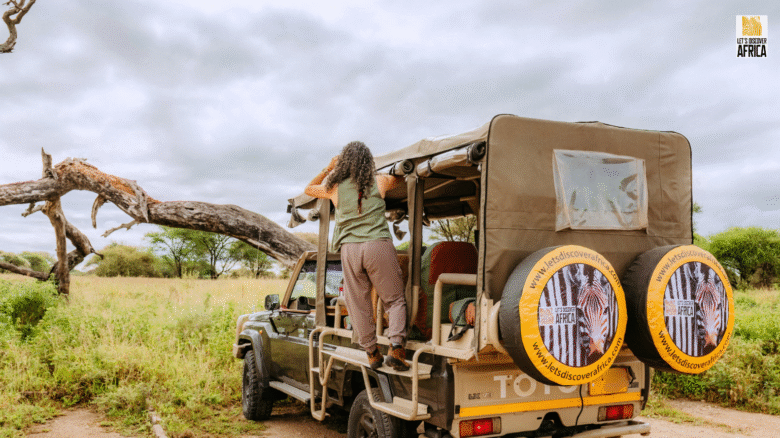
One of January’s most overlooked advantages is space. With fewer safari vehicles in the parks, guides are able to slow down, observe longer, and explain what’s happening rather than rush to the next sighting.
For many travelers, this translates to:
- Private-feeling game drives
- Longer time at sightings
- A stronger educational component
The safari becomes a learning journey, not just a spectacle.
A Paradise for Birdlife and Biodiversity
January is peak season for migratory birds arriving from Europe and Asia. From flamingos and storks to raptors and colorful forest species, Tanzania becomes a birding hotspot.
Even guests who didn’t come for birds leave with a new appreciation for how rich and layered the ecosystem truly is.

Luxury with Better Value
Another quiet benefit of January travel is access. Some of Tanzania’s most iconic camps and lodges offer green-season rates without reducing service standards.
This allows travelers to:
- Stay in premium accommodations
- Enjoy personalized service
- Experience iconic parks with greater availability
Luxury feels more relaxed, and more human.
Weather Myths vs Reality
January is often misunderstood as a heavy rain month. In reality, rain tends to come in short, refreshing showers that clear quickly.
Most days are warm and bright, with cooler mornings that create perfect safari conditions. The rewards outweigh the brief weather unpredictability.
A Reflection of How Travel Is Changing
The growing interest in January safaris reflects a broader shift in travel preferences. Today’s travelers seek meaning, exclusivity, and connection rather than following rigid seasonal rules.
January attracts those who want Africa as it lives, not as it’s marketed. In Tanzania, January is not about compromise. It’s about perspective.