Essential Tips for April to June Safaris
Traveling between April and June offers a safari experience shaped by a natural transition from the green season into the early dry season. Rather than a fixed experience, this period unfolds in phases each with its own rhythm, atmosphere, and wildlife patterns.
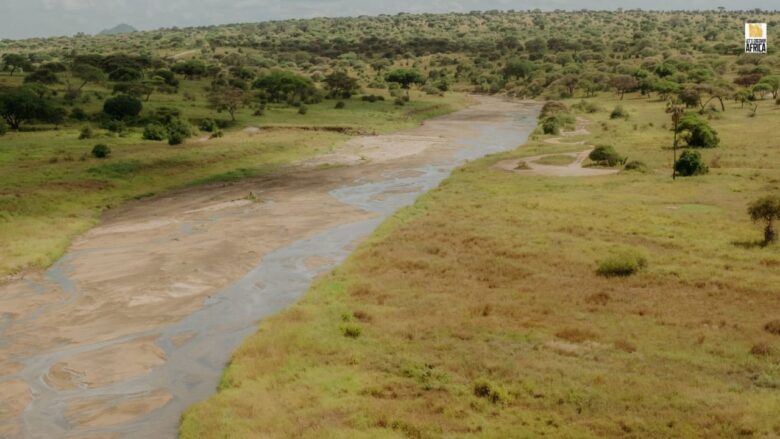
In April and May, parks like the Serengeti National Park and Lake Manyara National Park are at their most lush and vibrant. Water is abundant and vegetation is dense, allowing wildlife to spread out across the landscape. This means sightings can take more time, but the trade-off is a quieter, more immersive safari ideal for photography, birdwatching, and travelers seeking space and calm.
This early phase of the season is best understood through a few key shifts that begin to unfold as you move toward June:
- In April–May, expect rich greenery, dispersed wildlife, and a more peaceful, uncrowded experience
- Moving into June, conditions become drier, vegetation starts to thin, and wildlife visibility improves
- The Great Migration begins its early movement, offering a quieter build-up phase before peak crossings
As June sets in, the transition becomes more visible. Rainfall eases, the land begins to dry, and animals gradually return to permanent water sources, making game viewing more consistent especially in areas like Tarangire National Park.
At the same time, the Great Migration reorganizes across the Serengeti, with herds gathering and moving toward the western corridor near the Grumeti River. While this isn’t yet peak crossing season, it’s a powerful moment of anticipation, where movement becomes more defined without the pressure of high-season crowds.
April to June is ultimately a safari in motion where the landscapes soften, wildlife patterns shift, and the experience evolves day by day.
Plan your safari with Let’s Discover Africa around the season, and you’ll experience Tanzania at its most real.